Roof maintenance in Duluth, GA is the scheduled work that keeps a roof watertight, structurally sound, and performing at its full service life — and Johns Creek Roofing Company provides those services to homeowners throughout Duluth and the surrounding communities. Duluth's humid subtropical climate, dense tree canopy, and frequent summer thunderstorms create conditions where a neglected roof deteriorates faster than in drier regions. Pine needles collect in valleys and gutters, trapping moisture against shingles. Algae and moss take hold within months on north-facing slopes. Without planned upkeep, small issues become expensive repairs or early replacements.
Why does roof maintenance matter in Duluth, GA?
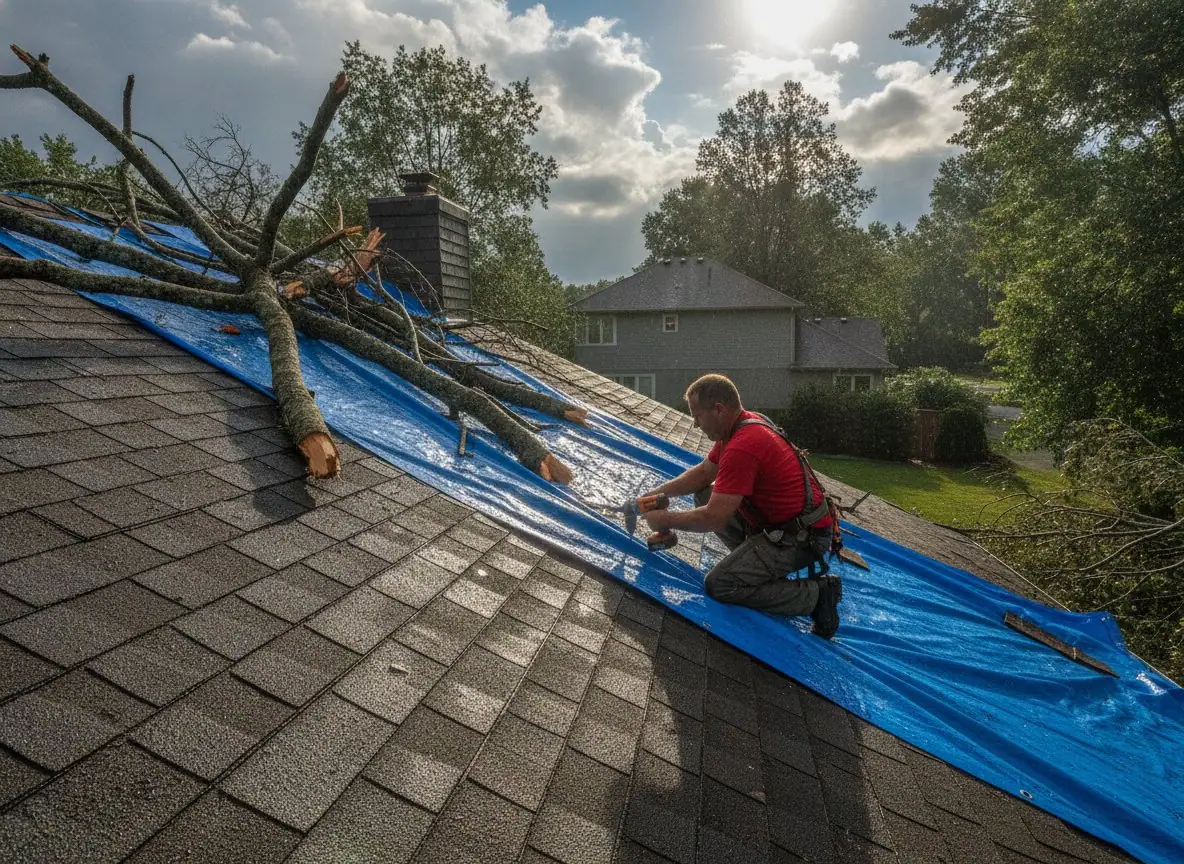
Regular maintenance prevents leaks, extends roof lifespan, and protects the home's structure from water damage that starts invisibly and compounds quickly. Duluth sits in Gwinnett County, where high summer humidity and afternoon storm systems bring heavy rain, hail, and occasional wind events that stress every component of a roof — shingles, flashing, fasteners, and gutters alike. A single lifted flashing tab allows water to wick under shingles for weeks before a stain appears on an interior ceiling, by which time sheathing and rafters may already be compromised.
Homes in Duluth's established neighborhoods often feature mature pine and oak trees that shed needles and leaves year-round. That debris holds moisture against roofing surfaces, accelerating granule loss on asphalt shingles and promoting biological growth. How well different roofing materials stand up to these local conditions is worth knowing before you choose a repair or replacement. Planned maintenance addresses these conditions before they cause structural damage, keeping repair costs manageable and insurance claims unnecessary for preventable deterioration. Understanding what that maintenance actually includes is the clearest way to judge whether a service provider is thorough.
At a glance
What does routine roof maintenance include?
Routine roof maintenance covers a structured set of tasks — inspection, cleaning, minor repairs, and documentation — performed on a scheduled basis to catch issues at their earliest and least expensive stage. Our guide to common roof problems explains what those issues look like and what causes them.
Seasonal Maintenance Checklist for Duluth, GA
- Spring: Inspect shingles for winter wind and ice damage; clear gutters and downspouts of pine needles and debris accumulated over winter; check flashing around chimneys, vents, and skylights for lifted edges or cracked sealant; look for moss and algae that established during cool, wet months; confirm attic ventilation is unobstructed after any insulation settling.
- Fall: Clean gutters thoroughly before leaf drop peaks; trim overhanging branches to reduce debris load and storm-damage risk; inspect and re-seal any flashing that showed movement during summer heat expansion; check ridge vents and soffit vents for insect nests or blockage; assess shingle granule levels before winter rain season.
Maintenance Task Reference
| Task | What It Prevents | Recommended Frequency |
|---|---|---|
| Gutter and downspout cleaning | Water backup, fascia rot, foundation seepage | At least twice per year (spring and fall); more often under heavy pine canopy |
| Shingle and tile inspection | Leaks from missing, cracked, or curling pieces | Annually and after every significant storm |
| Flashing and sealant inspection | Water intrusion at penetrations and valleys | Annually |
| Moss and algae treatment | Shingle degradation and moisture retention | As growth appears; preventive treatment annually in shaded areas |
| Attic and ventilation check | Moisture buildup, heat damage, premature aging | Annually |
| Debris removal from valleys and low slopes | Ponding water, granule loss, biological growth | Twice per year minimum |
The method used to clean a roof is just as important as the frequency, and choosing the wrong approach can cause the very damage you are trying to prevent.
Free, no-obligation estimates
Talk to Johns Creek Roofing Company
Tell us what you need and we’ll take it from there.
What is the best way to clean a roof?
Soft washing — low-pressure water combined with a biodegradable cleaning solution — is the most effective and least damaging method for cleaning asphalt shingles, tile, and most roofing surfaces. High-pressure washing strips granules from asphalt shingles, voids some manufacturers' warranties, and forces water under overlapping edges, creating leak pathways. For moss and algae common on Duluth roofs, a properly diluted cleaning agent kills biological growth at the root rather than simply dislodging surface growth, which regrows quickly.
After treatment, light rinsing removes residue without saturating the deck. On heavily shaded slopes where algae and moss return seasonally, we apply a zinc- or copper-based preventive treatment that inhibits regrowth between service visits. Debris in valleys and around penetrations is always removed by hand before any washing begins, so water has a clear path off the roof during the cleaning process. The right cleaning method varies by roofing material, which becomes especially important for specialty systems like metal panels and cedar shakes.
How do you maintain a metal or cedar shake roof?
Metal roofs and cedar shake roofs require material-specific maintenance steps that differ significantly from standard care for an asphalt shingle roof, and our installation service page explains how that roof type is put in place.
Metal Roof Maintenance
Metal roof maintenance focuses on fastener integrity, sealant condition, and surface coating. Exposed fasteners — common on screw-down panel systems — develop gaps as the metal expands and contracts with Duluth's temperature swings between summer highs and winter cold. We inspect every fastener point, replace washers that have compressed or cracked, and re-seal any penetration showing daylight or moisture staining underneath. Standing seam systems require checking that seam locks remain tight and that any through-penetrations are sealed with compatible materials. Metal surfaces should be rinsed clean of pine needle debris, which holds moisture and promotes surface rust on bare metal edges. We do not use pressure washing near seam locks or fastener heads.
Read moreShow less
Cedar Shake Roof Maintenance
Cedar shake roof maintenance centers on moisture management and biological growth control, because cedar is naturally more vulnerable than metal to rot, splitting, and moss. We inspect every shake for cracks, splits, and cupping that allow water underneath. Moss removal on cedar requires a gentler chemical approach than on asphalt — high-alkaline treatments can accelerate wood degradation. After cleaning, a penetrating wood preservative or borate-based treatment extends shake life by inhibiting fungal growth in Duluth's humid conditions. Valleys and hip caps receive priority inspection because those areas accumulate the most debris and shed the most water. Cedar shakes that are badly split or missing are replaced individually rather than patching with incompatible materials. Knowing which individual components most often need repair helps you plan maintenance visits realistically.
What are the most common roof repairs?
The most common roof repairs we complete in Duluth are shingle replacement, flashing re-sealing or replacement, gutter reattachment, and valley repair — each typically caused by storm exposure, age, or deferred maintenance. Missing or curled shingles expose the underlayment to UV degradation and direct rain penetration. Flashing failures around chimneys, pipe boots, and skylights account for a significant share of active leaks because sealants harden and crack after repeated heat cycles. Gutters pulling away from fascia allow water to run behind and rot the board over time. Valley flashing corrodes or lifts where two roof planes meet, which is precisely where the highest water volume concentrates during Duluth's heavy summer storms. Catching these repairs early is straightforward when you know the warning signs that indicate a roof may be beyond maintenance entirely.
What are five signs that my roof needs to be replaced?
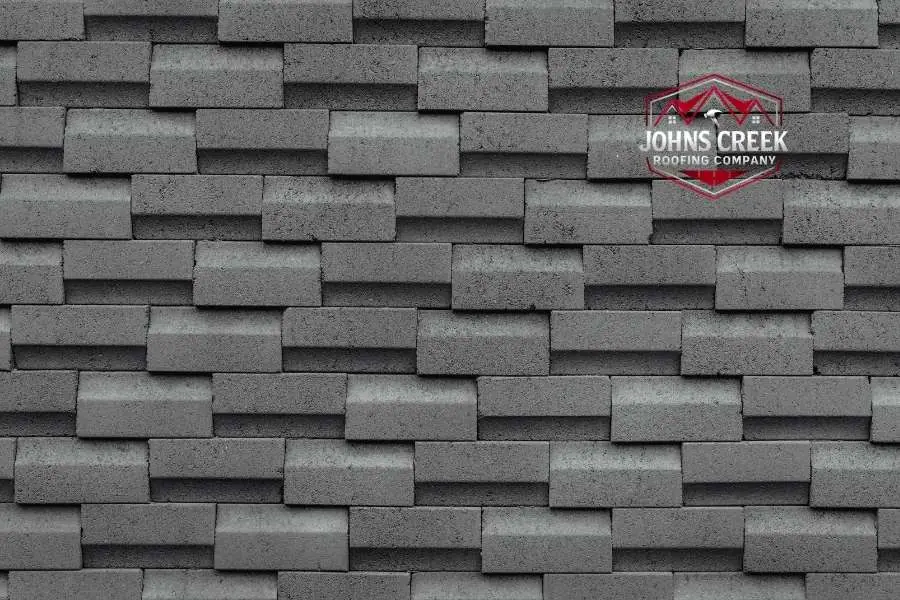
Five signs that a roof needs replacement rather than repair are: widespread granule loss leaving bare asphalt visible across multiple sections; sheathing or decking that is soft or spongy when walked on, indicating rot throughout; multiple layers of shingles already present (a limitation on reroofing under most building codes); shingles that are cracked, curling, or missing across more than 25–30% of the surface; and persistent interior leaks that return after repeated targeted repairs. Any one of these conditions can justify replacement; two or more together almost always do. A key practical rule: if the cost of repairs over the next two to three years approaches or exceeds 50% of a replacement quote, replacement delivers better long-term value. For roofs that show age-related wear without structural failure, restoration is often a cost-effective middle path worth exploring before committing to full replacement.
Are roof savers worth it?
Roof saver treatments — sealants, coatings, and rejuvenating agents applied to extend a roof's service life — are worth considering when a roof is structurally sound but showing surface-level aging that would otherwise lead to premature replacement. Asphalt rejuvenating oils, for example, can restore flexibility to shingles that have become brittle but have not yet cracked or lost their granule base. Elastomeric coatings applied over low-slope or metal sections reduce thermal stress and add a secondary waterproof layer. These treatments are not appropriate for roofs with damaged sheathing, active leaks, or severe granule loss, because a coating applied over compromised material traps moisture and accelerates hidden decay. We assess the underlying condition before recommending any treatment — a step that separates a worthwhile application from wasted spending. When the goal is genuine restoration of a deteriorating but salvageable roof, a full restoration program addresses more than surface coating alone.
At a glance
What does a roof restoration include?
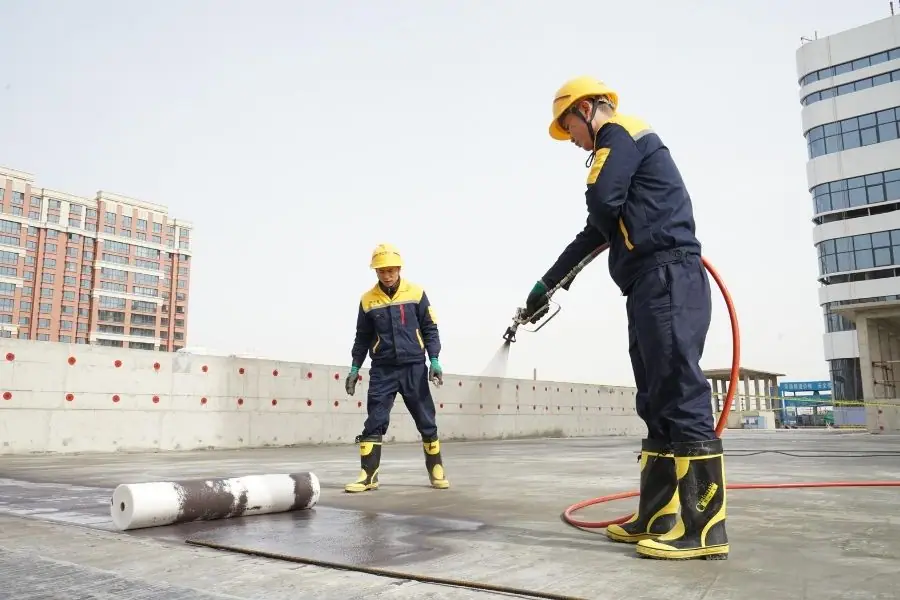
Roof restoration is a multi-step process — inspection, thorough cleaning, targeted repairs, and protective sealing or coating — that returns a roof to sound, weatherproof condition without full tear-off and replacement. We provide roof restoration services as a structured alternative to replacement for roofs that have age-related wear but retain structural integrity.
- Detailed inspection: We document every area of deterioration — shingle condition, flashing integrity, fastener status, decking soundness — to establish the true scope of work before any cleaning begins.
- Cleaning: Soft washing removes moss, algae, lichen, and embedded debris. This step is not cosmetic; biological growth holds moisture that continues to degrade material if left in place beneath a coating.
- Targeted repairs: Individual damaged shingles, flashing sections, pipe boots, and ridge caps are replaced or resealed before any coating is applied. Coating over open damage seals in moisture rather than sealing it out.
- Sealing or coating: Depending on roofing material and slope, we apply penetrating sealants, elastomeric coatings, or reflective treatments appropriate for the surface. Product selection matches the material — what works on a metal panel system differs from what is correct on asphalt or tile.
Restoration vs. Replacement Decision Guide
| Condition | Restoration Appropriate? | Replacement Recommended? |
|---|---|---|
| Surface aging, granule thinning, minor cracking | Yes | No |
| Soft or rotted decking in isolated sections | Partial (repairs first) | Evaluate extent |
| Active leaks returning after repair | No | Yes |
| Widespread shingle loss (>25–30% of surface) | No | Yes |
| Two existing shingle layers already present | Coating only; no third layer | Likely yes |
| Structurally sound but visibly weathered | Yes | No |
Understanding what drives the cost of maintenance and restoration helps you budget realistically and compare quotes on equal terms.
At a glance
How much does roof maintenance cost in Duluth, GA?
The cost of roof maintenance in Duluth depends on several factors specific to your home and its current condition — no two roofs price identically, which is why we provide a written quote after a free roof inspection done on-site rather than publishing flat rates.
| Cost Factor | Why It Affects Price |
|---|---|
| Roof size (square footage) | Larger roofs require more labor hours and more material for any cleaning or sealing work |
| Pitch and access difficulty | Steep-slope roofs require additional safety equipment and slower working pace |
| Roofing material | Metal, cedar shake, tile, and asphalt require different products and techniques at different price points |
| Extent of biological growth | Heavy moss or algae coverage requires longer treatment time and stronger solutions |
| Number and severity of repairs needed | Flashing replacement, shingle repair, and decking work add to base maintenance cost |
| Gutter condition and debris volume | Severely clogged or damaged gutters add cleaning and repair time |
| Coating or sealant application | Restoration coatings add material cost on top of inspection and cleaning |
As a general reference, common roof repairs across different roof types typically range from roughly $300 to $2,200 depending on damage severity and material — maintenance visits that catch problems early generally fall at the lower end of that range. Financing is available for larger scopes of work, and when a roof is past repair, roof replacement with financing is the option to look at. We also help homeowners navigate insurance claims when storm damage is a contributing factor. Choosing which company performs your maintenance is as consequential as the work itself.
How do you choose a roof maintenance company near you?
Choose a roof maintenance company that provides a written scope of work before any service begins, is insured and bonded, and can demonstrate familiarity with the specific roofing materials and local conditions in your area. In Duluth, that means asking whether the company has experience with pine needle management, moss treatment in humid climates, and the storm damage patterns common to Gwinnett County. Request a detailed written quote — not a verbal estimate — that itemizes inspection, cleaning, repairs, and any coating separately so you can compare providers on equal terms. Verify that the company carries current liability insurance and workers' compensation coverage; ask for certificates rather than accepting verbal assurance. A company that offers free inspections and puts findings in writing before asking you to commit is demonstrating the transparency that protects homeowners from unnecessary upsell. Johns Creek Roofing Company serves Duluth, GA and the surrounding communities — including Buford, Tucker, Lilburn, Chamblee, Norcross, Doraville, Alpharetta, Sugar Hill, Johns Creek, Lawrenceville, and Suwanee — with roof maintenance, repair, installation, replacement, inspection, commercial roofing, and emergency roofing services.
FAQ
FAQ
How much does it usually cost to repair a roof?
Common roof repairs generally range from about $300 to $2,200, with the actual figure depending on the type of damage, the roofing material, and the size of the affected area. Minor flashing re-sealing and single-shingle replacement sit at the lower end; larger valley repairs, chimney flashing replacement, or multi-section shingle work sit higher. A free inspection gives you a precise written figure for your specific roof.
How often should a roof be maintained?
Most roofing professionals recommend a professional inspection and maintenance visit at least once per year, with twice per year — spring and fall — being more appropriate in Duluth, GA given the pine canopy, humidity, and storm frequency. Gutters under heavy tree cover may need cleaning more often than twice annually.
Can you restore an old shingle roof instead of replacing it?
Yes, in many cases. If the decking is structurally sound, the shingles retain their granule base, and there is no active leak that has resisted targeted repair, restoration through cleaning, spot repairs, and a sealant or coating can extend service life meaningfully. If shingles are missing across a large portion of the roof or the decking has softened, restoration is not appropriate and replacement is the right path.
Does homeowners insurance cover roof maintenance?
Homeowners insurance covers sudden, accidental damage — storm-related losses, hail impact, and wind damage — but does not cover routine maintenance or deterioration from lack of upkeep. That distinction matters in Duluth, where summer storm damage is genuine and covered, but moss growth from deferred cleaning is not. We help homeowners document and file insurance claims when covered storm damage is present.
What is the difference between roof maintenance and roof repair?
Roof maintenance is proactive and scheduled — cleaning, inspection, and minor adjustments performed to prevent problems. Roof repair is reactive — addressing a specific failure such as a leak, missing shingles, or damaged flashing after the problem has already developed. Regular maintenance reduces the frequency and cost of repairs by catching issues before they become failures.
What is roof refurbishment?
Roof refurbishment is another term for roof restoration — the process of returning a roof to sound condition through cleaning, repair, and protective treatment without full tear-off. The term is used interchangeably with restoration in most contexts and describes the same multi-step process: inspect, clean, repair, then seal or coat. It is distinct from routine maintenance in scope and from replacement in cost and disruption.
Call Johns Creek Roofing Company at (404) 777-0559 to schedule your free roof inspection in Duluth, GA. We will assess your roof's condition, identify any maintenance or restoration needs, and provide a written quote with no obligation.
Why choose us
Why choose Johns Creek Roofing Company?
Free estimates
Get a clear, no-obligation estimate before any work begins.
Licensed & insured
Your property and our crew are protected on every project.
Residential & commercial
One team for homes, multi-family and commercial properties.
Locally owned & operated
A local team serving your community and the surrounding area.
Get in touch
Find roofing help near you
Request a free estimate online or give us a call — our team will follow up quickly.